1
Rule out the boiler
The pressure relief valve and expansion vessel are checked first, because either can mimic a leak. If they are sound, the water is going into the pipework or the floor.

Leak detection in Cambourne
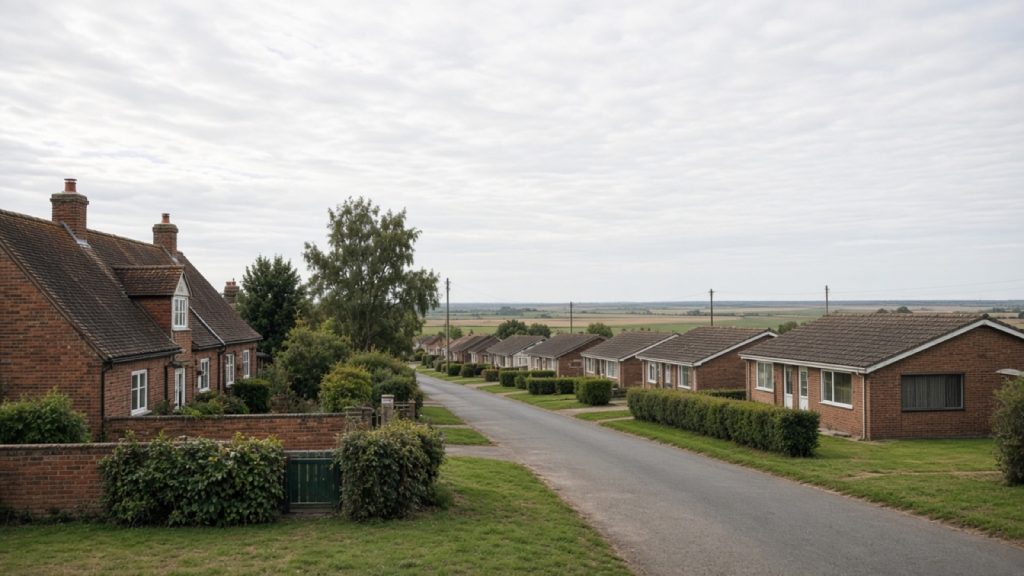
Cambourne is a new town built since the late 1990s, so leak detection in Cambourne is about plastic pipework and underfloor loops under screed.
No find, no fee
Underfloor heating kit
Boiler checked first
Tell us what you have noticed and where. We ring you back to talk it through. No find, no fee.
No find, no fee
24/7 enquiries
Non-invasive methods
Reports for insurance claims
Cambourne has no old housing. Great, Lower and Upper Cambourne were built from 1998 onward and West Cambourne is still going up. Nearly every house has plastic push-fit plumbing, a sealed heating system and often underfloor heating downstairs. The supply pipes are short plastic runs that rarely fail.
That changes what leaks here. The common Cambourne call is a boiler losing pressure, caused by a push-fit joint under the screed, a manifold connection or a nicked underfloor loop. These leaks do not show at the surface for months, so a dropping gauge is usually the only sign.
1
The pressure relief valve and expansion vessel are checked first, because either can mimic a leak. If they are sound, the water is going into the pipework or the floor.
2
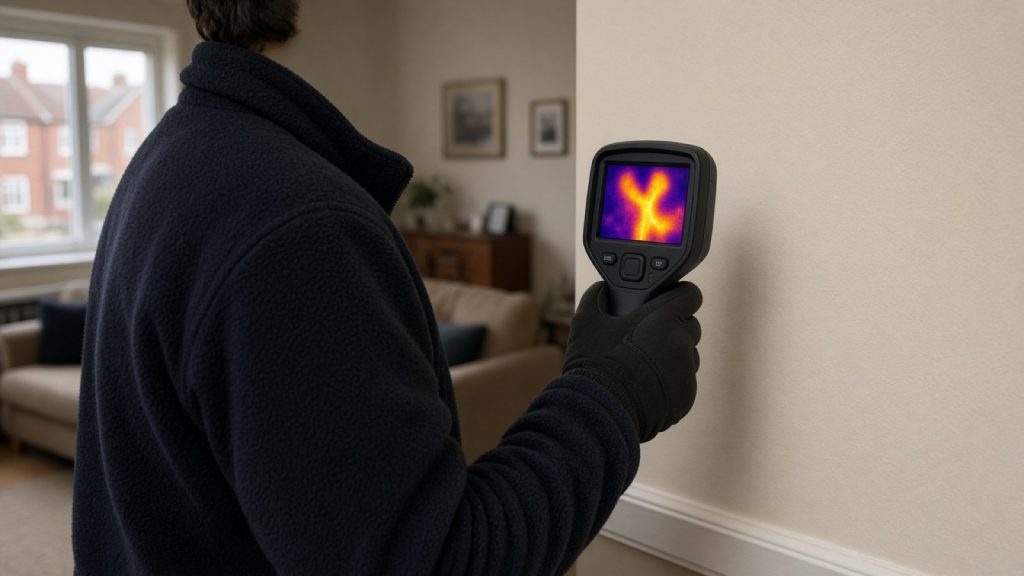
The thermal camera shows the underfloor loops and the heating pipe routes through the screed, and the point where the heat pattern spreads or breaks.
3
The circuit is drained and charged with tracer gas. The detector finds where the gas rises through the floor and that spot is marked and photographed for the report.
The first tool in a Cambourne house. It shows every underfloor loop and heating pipe through the screed and laminate, and where warmth is spreading sideways from a leak.
Used on the short supply pipes and on pressurised heating pipework where a joint is weeping under pressure. Plastic pipe carries less sound than metal, so we listen at close intervals.
The method that finds most Cambourne leaks. A safe gas in the drained circuit rises through screed and tile at the leak and the detector locates it to a hand's width.
Almost every Cambourne job starts with a boiler that will not hold pressure. In a house in Great Cambourne the gauge fell from one and a half bar to nothing every few days, and the plumber had replaced the expansion vessel. A pressure test showed the circuit was still losing water, the thermal camera found a warm patch in the hall screed, and tracer gas placed the leak at a push-fit joint under the floor by the stairs. One tile was lifted. In Lower Cambourne an underfloor heating loop had been nicked under the kitchen, found with gas at a single point.
From Cambourne we cover Papworth Everard, Caxton, Bourn, Hardwick, Caldecote, Comberton, Bar Hill and Longstanton, and continue west to St Neots on the A428. Cottenham and Burwell are on the other side of Cambridge.
A leak under a screed floor in Cambourne usually means a trace and access claim, because the floor has to be opened to repair it. Your policy pays for locating the leak and reinstating the floor as a separate item. Our report gives the insurer the boiler checks, thermal images, gas result and marked point.
Tell us how fast the gauge is dropping and we will book you onto the next A428 run.
Landline 01440 840 772. Email hello@completeleakdetection.co.uk.